Showing posts with label save on money. Show all posts

Tuesday, May 21, 2013

1 Easy Energy Efficiency Tips


There are lots of things you can do around the home to save energy and be more green and efficient. Rising energy prices, climate change, and ecological damage are just three reasons why we should all do our best to be more environmentally conscious, help reduce reliance on fossil fuels and save more energy, and the associated cost savings are a welcome bonus.
 
Heat Insulation in the Home
The majority of energy used in the home is used for heating and cooling systems, and people often fail to realize just how inefficient they are being with these systems.

Insulation is important to keep heat in during the winter months and to keep heat out during the summer months. Most unwanted heat transfer happens through the roof so this is the area you should focus on. There are many different types of insulation product available, including fiberglass and polyester. 

The R-value is a measurement of how insulating a piece of material is, and this is what you should use to compare between different products. The cooler and more temperate the climate you live in, the higher R-value you will need. In general you want a higher R-value for the roof than for the walls. In humid climates you need to be careful not to have a R-value that is too high, as this may cause overheating with homes that are exposed to the sun.

It is a good idea to close-off and turn off the heating in rooms that are not in use, and to check for all sources of draughts (such as vents and ducts) to ensure they are sealed effectively. This is especially important in dryer climates – always know your climate!

How Low Can You Go?
When the cold sets in, many people instinctively turn up the thermostat. But you can save significant amounts of money and energy just by turning the heating down by a single degree. Better yet, you can always turn down the thermostat in stages and see if you are comfortable with the temperature. If you get to a point where it is too cold, at least you know the most energy efficient temperature for the current weather. In smaller rooms you can often get away with having the heating turned off completely by using extra blankets for the beds.

Washing, Cooking and Cleaning
Use the lowest temperature setting on your clothes washer (or as low as you can possibly have it). Any good clothes washer will have low temperature options, and as long as the clothes you put in are not heavily soiled and do not have stains you will still gain excellent cleaning performance. To help improve the cleaning performance of your washer at low temperatures, buy detergents that work well in low temperatures.
Clothes dryers use a lot of energy, so dry your clothes outside on the line whenever possible or use clothes stands next to a window. For both washers and dryers, wait until you have a full load of clothing before you use them.

In the kitchen, the oven uses the most energy out of any cooking appliance. Reduce your reliance on your oven and switch to the microwave or the frying pan. When boiling water, you should only ever boil the amount you need. It is more efficient to boil water with a kettle than with a stove.


Tuesday, February 12, 2013

2 Basic Money Savings Tips for Dummies

saving, dummy, meme, money
It is difficult to achieve peace of mind and quality of life if you are constantly struggling to save money and feel constant stress due to overwhelming debt. Starting small to achieve financial success is possible for anyone, no matter how small their income or how big their debt.
 
Cut down on your spending by clipping coupons for groceries and othe rpurchases. Even a 5 to 10 dollar savings per week adds up over time. Stop spending your money foolishly. If you are addicted to drinking expensive coffee from a coffeehouse enroute to work, invest in a gourmet creamer in a comparable flavor and an insulated coffee cup. Taking the coffee from home helps put money in your pocket and soon you may actually prefer the homemade version to the more expensive. Cutting corners in this way adds up to a large amount of extra money over time.

Make a budget that curtails frivolous spending for everyone in your family. Do not make the budget so rigid that there is no room for fun purchases. Allocate each person a small amount of cash to spend however he or she desires each week. If the individual has his heart set on a high price item, tell him that he then has to save his money until he has enough for the purchase. One of the most important categories in a budget is the savings account. Treat this just like a bill and if possible, have the money automatically deposited each time you receive a paycheck.

Concentrate on building an emergency savings account for car troubles, house repairs or other inevitable problems that pop up. Once you have the savings in place, you no longer have to resort to credit cards to pay for these money crunches. A wise amount for an emergency savings is about $1000. After building this type of savings, strive for a larger savings of 3 to 6 months of living expenses.

Pay the minimum on every credit card you have each month to avoid late fees. Choose the credit card with the lowest balance to pay any extra cash you have on hand on each month. Soon the balance will be zero and you can take the money you were paying on that credit card and apply it to another one. Following this method steadily and consistently enables you to pay off the credit cards. It also enables you to avoid the high interest rates on these accounts. Never buy a new car unless you can pay cash for it. If you need a relatively new car because you transport clients or drive long distances to work, purchase one that is at least two years old. Once you drive a brand new car off the dealer parking lot, the value diminishes rapidly.

Save up so that you have a hefty down payment for a house. The bigger the down payment is, the less your mortgage payments will be each month. Make it a goal to have enough of a down payment so that you don’t have to buy private mortgage insurance – or PMI. This protects the lender against default if the homeowner does not make the payments. This type of insurance is costly. In most states if you put down 20 percent or more on your home, you are not required to have the PMI. In addition, purchase a home that you can easily afford on one salary is you and your spouse both work. This prevents unhealthy financial stress if one of you is laid off, fired or disabled.

Wednesday, January 2, 2013

3 How to Save Up For Your Vacation Dream Home

Saving up for your vacation dream home is not as complicated as it may seem. However, it does involve a lot of self discipline and the willingness to make temporary sacrifices in the present in order to enjoy a luxury vacation home in the future. Following are some tips on how you can save up for the vacation home of your dreams, a bit at a time.
 
Saving Money
A number of financial gurus suggest that a person should set aside about 10% of his or her income and put this money in a savings account. This is a wise idea and should be done before a person spends money from his or her monthly paycheck.
Naturally, saving 10% of your income means that you have less money to spend in the present. Chances are you will probably have to make some sacrifices in order to save this amount of money. Perhaps you will have to eat out less often than before, buy secondhand clothing instead of new clothes and/or walk or ride a bike every so often instead of driving short distances. However, if the vacation home is worth it to you, then making these small sacrifices will not be such a big deal.

Increasing Saved Money via Investments
If you want to maximize your savings, then investing this money can be a good idea. Every type of investment comes with some risks, although some investment options are safer than others. Buying gold is a good way to make more money, as gold usually costs more at the end of the year than it did at the beginning. Other safe investment options include buying fixed annuities, putting the money in a savings account that accumulates interest and investing in bonds.
A person may also want to invest in a few risky investments, such as stocks and mutual funds. While there is a chance that one will lose money, these investments have the potential to be very profitable. You just need to do some research to see which exact stocks and mutual funds are the best ones to invest in at the present time. You will also need to keep an eye on your investments and be prepared to sell them quickly if they take a sudden downturn.
Calculate how much your vacation dream home will cost and then determine how much money you will need to set aside every month in order to buy the home of your choice. You can then determine if saving money is enough or if investing the saved money is also in order.
While you can take out a mortgage or refinance your home in order to buy a vacation home, it is cheaper and better to save the money and pay for the home without going into debt. The above tips provide a good starting point for anyone who wants to set aside money to buy a luxury vacation home.

About the Author: The author is an expert in the field of buying property and has written extensively on the subject. Click here if you are interested in good deals on luxury properties in Park City, Utah.

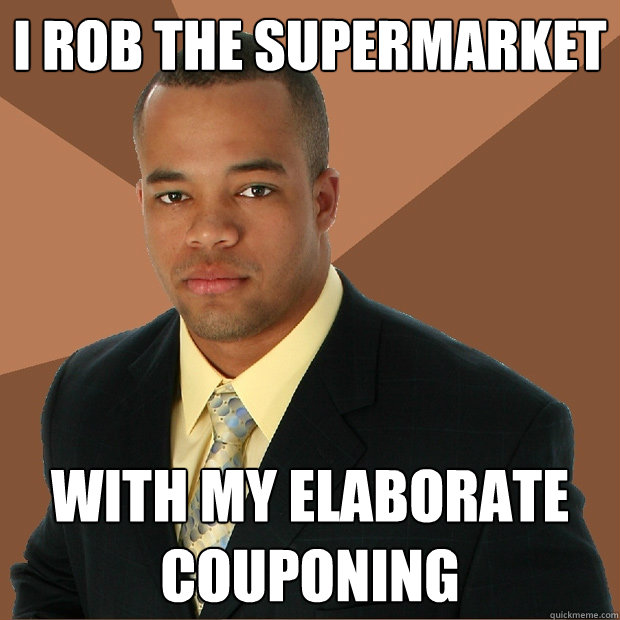
0 Save On Money Through Couponing

couponing, supermarket, save, money, funny, meme
Couponing is a great way to stay on budget, which is especially important during the holiday season, when the temptation to overspend on others is almost irresistible. But even in this season of giving, you can use coupons effectively to minimize the impact on your wallet, and make January’s budget less stressful for you. The first step is to make a list of who you need to buy for, and estimate how much you are willing to spend. Be realistic as to what your limits are, and most importantly, firmly stick to them. Think of gift ideas that match these spending limits, then it’s time to do some research on sales and coupons. Look in your local newspapers and flyers for in-store deals and coupons. Some stores allow for combining coupons with already lowered prices. The Internet is an excellent tool for finding great deals. Many manufacturers offer exclusive coupons on their own websites, as well as on retail websites. Several coupon-specific websites consolidate offers from various other websites for one-stop searching. Active users on these sites share their own coupon finds, which leads to a list of bargains that is constantly being updated. Websites such as Groupon and LivingSocial have daily offers for services and entertainment (as well as tangible items) that are frequently at a fraction of the regular cost. These “coupons” make for excellent gift-giving when you know the recipient and their tastes well. One does not need to pay a premium to afford going out, if you plan ahead and are open to new experiences. I spoke with the experts in printable coupons from Canadian Savers and their best word of advice for couponing beginners is to shop around for the best deals. Compare prices, and take your time in deciding. Impulse shopping, even with coupons in hand, is never a good idea for your bank account. Take your time, do your research, and do not allow yourself to be pressured into a purchase price that you are not completely comfortable with. Also, take the time to evaluate your needs. If you are spending money for products that you won’t use, or are name brands that are still more expensive than store-brand equivalent versions, then that’s just money down the drain. Pay attention to “deals” that are really product promotions in disguise. Couponing can enable you to cut corners and save money in your day-to-day life, but it requires a little research and a lot of self-awareness of your own shopping habits. Let’s start the new year off with a resolution to spend less and save more.

Thursday, December 6, 2012

0 Don't Forget To Set Some New Year's Money Resolutions

By AMP Financial Planner Ali Mohammed
nwe year, money, date, resolution, meme
The New Year is a time when people tend to reflect on the past 12 months and the changes they'd like to make in their lives.

Many resolve to quit smoking, lose weight or do more exercise. And if you're keen to get on top of your finances, some New Year's money resolutions are the way to go.

Here are 10 things people can do, regardless of their income levels, to improve their financial well being in 2013.

Top 10 New Year money resolutions:

1. Start with a budget It's essential to have a household budget and stick to it. If you spend more than you earn, it can quickly land you on the roller coaster of debt. Make a promise to start living within your means.

2. Differentiate between 'wants' and 'needs'
Don’t be too hard on yourself, but do you really need the $100 per month pay TV package? You probably don’t watch half the programs.

Cars are big traps too. It’s nice to drive the latest and greatest, but don’t live for your car. Be sensible.

3. Shop smart
Look for ways to reduce your spending such as using discount petrol dockets, taking your own lunch to work, cutting back on take-away dinners and car pooling.

Reduce your weekly grocery bill by shopping for your fruit and veggies at farmers' markets, buying generic groceries and planning meals to avoid waste.

Always shop around for the best deal when purchasing big ticket items.

4. Use credit cards wisely
Credit card debt is fine if you pay it off each month before interest is incurred. But if you have a large amount of debt sitting on your card, it could be costing you an astronomical amount in interest each year.

Interest rates on credit cards are sometimes as high as 20 per cent or more, so it's important to pay off this kind of debt as fast as possible. To do that you will need to make more than the minimum repayments each month.

If you have several cards maxed-out, consider rolling all the debt in to one low interest-bearing card to save on interest. Once you have finally paid the card off, cut it up and switch to a debit card if you have to.

5. Have an emergency fundAs a contingency for life's unexpected expenses, it's vital to have an emergency fund or access to cash through a mortgage redraw facility or offset account.

A good rule of thumb is to have at least three months salary in the kitty. This will avoid the need to rely on credit cards in the event of an emergency.


6. Get savvy with your super
Australians are losing around $1 billion a year in fees, lost payments and earnings by holding several super accounts they aren't contributing to (Rice Warner Actuaries 2008). AMP has introduced a simple service allowing customers to consolidate their super online for free at amp.com.au/consolidate, or by calling 133 888.

Also consider topping up your superannuation by salary sacrificing another two to five per cent of your income, depending on how much you can afford. Lower income earners should also make the most of the government co-contribution scheme.

7. Review your mortgage The most effective way to save interest on your home loan is to make extra repayments each month. The monthly repayments on a $300,000 mortgage over a 25 year term at 7.25 per cent are around $2,168.

But a person could pay the loan off 10 years earlier and save $158,277 in interest if they increased their monthly repayments by $575. People can also attack their loan faster by paying fortnightly instead of monthly and making lump sum repayments whenever they can.

It's also now easier for consumers to shop around for a better deal after home loan exit fees were abolished on all mortgages taken out from 1July 2011. However people with loans taken out before this date need to carefully consider the costs associated with moving a mortgage.
8. Have a debt strategy Financial worries can be very stressful, so it is important for people to take control of their debt before it starts controlling them. The general rule of thumb is to pay off 'bad' debt like credit cards first as they usually have the highest interest rates.

Once bad debts are under control, a person can then target other debts such as their car loan and home loan and save even more in interest.

As the interest rates on home loans are much lower than other loans, this type of debt should only be targeted more aggressively after your credit card and other high interest loans are under control.

9. Protect your family
It's not something we want to think about, but you need to ask yourself how your family would cope financially if you or your partner were injured in an accident, became too sick to work, or even worse, passed away.

These days, insurance doesn't have to be a big drain on the budget. If cash flow is tight, you can get affordable life insurance and income protection through your superannuation. After a change in regulations a few years ago, it is now possible to obtain income protection insurance from some funds to age 65 inside your super.

10. Save for the future
While most people are pretty good at saving for short-term goals such as end of year holidays, they often forget to put money aside for the future.

Make sure you have a savings plan for medium-term goals such as a deposit on your first home and longer-term milestones, like retirement funding and the kid’s education.

*Ali Mohammed is an Authorised Representative of AMP Financial Planning Pty Ltd, ABN 89 051 208 327, AFS Licence No. 232706.

Any advice given is general only and has not taken into account your objectives, financial situation or needs. Because of this, before acting on any advice, you should consult a financial planner to consider how appropriate the advice is to your objectives, financial situation and needs.

Thursday, September 20, 2012

0 Saveonmoney.org

At last! After  2 stressful weeks with the "maintenance" of Blogger and the head aches godaddy DNS settings gave me. I was finally able to change the domain. From saveonmoney.blogspot.com to saveonmoney.org :)

Looking forward to posting more articles and improving the design. Do let me know if you have suggestions or queries. Cheers!

Saturday, September 1, 2012

0 Blog Update

You might notice the ever changing lay out and design of my blog. Yes, I know - my current template sucks , LOL! I'm currently updating my blog and will be re-designing it further more. Next week, I will be purchasing a new domain as well, I'm pretty excited with that. Thank you for taking your time reading my articles and the articles my blogger friends have shared in this blog. Hopefully I would be able to pull the transition with no hassle.

Thursday, August 23, 2012

1 Credit Cards that help you Save Money

Credit cards have long been responsible for many of the financial pitfalls many people find themselves today. But credit cards do not make purchases, people do. This article does not promote the use of credit cards but only serves to inform people that there are other types of credit cards that reward people who use them with each purchase.

If you can’t stop yourself from getting a credit card then choose those that offer you discounts with every purchase. You can’t stop the banks from charging you with interest rates but if you can shave a few dollars then at least you’re not losing too much of your money.

piggy bank and credit card
Cash Back Credit Cards

CashBack Credit Cards are similar in principal to reward cards. The difference however, is that purchases should be made with partner businesses in order for you to qualify. People save on money by having discounts from selected retailers or
 

Save On Money Copyright © 2011 - |- Template created by O Pregador - |- Powered by Blogger Templates